How Balanced Are Your Hormones? Signs Your Gut May Be Involved


Hormones are the body’s messengers, influencing almost every function in our body, from metabolism to mood, digestion, and sleep. When hormones are out of balance, the impact can be profound, leading to issues like weight gain, fatigue, irritability, poor sleep, and skin problems. But what if the root cause of these imbalances is not just in your glands but in your gut?
In recent years, research has increasingly shown that the health of your gut plays a vital role in the regulation of your hormones. This connection, often referred to as the gut-hormone axis, suggests that an imbalanced gut microbiome could be a significant factor contributing to hormonal imbalances. If you’re struggling with unexplained hormone-related symptoms, it may be time to take a closer look at your gut health.

The Gut-Hormone Axis: How Your Gut Affects Hormone Regulation
Your gut is home to trillions of bacteria, viruses, and other microorganisms that make up your microbiome. This complex ecosystem plays an essential role in digestion, immunity, and even hormone production and regulation. The gut-brain axis has long been studied, but now we know that the gut also communicates directly with the endocrine system, which produces and controls hormones.
Recent studies have shown that the gut microbiome influences the production and metabolism of hormones such as insulin, cortisol, thyroid hormones, estrogen, and progesterone. When the gut microbiome is disrupted (a condition known as dysbiosis), it can lead to imbalances in these hormones, contributing to various health issues.
Dr. Mark Hyman, a functional medicine expert, explains:
“The health of your gut can directly impact your hormone levels. An imbalance in gut bacteria can affect the way your body metabolizes hormones, leading to chronic health issues like weight gain, fatigue, and stress-related disorders.”
How an Imbalanced Gut Affects Hormonal Balance
The gut microbiome plays a role in hormone balance in several ways:
1. Insulin Regulation and Metabolism
Insulin is a hormone produced by the pancreas that regulates blood sugar levels. A healthy gut microbiome helps support the proper functioning of insulin by regulating blood sugar and fat storage. However, an imbalanced gut can contribute to insulin resistance, which is a precursor to type 2 diabetes and can lead to weight gain and difficulty losing weight.
Dr. David Perlmutter, a neurologist and author of “Brain Maker,” states:
“The gut microbiome influences how our body responds to insulin and fat storage. When the gut bacteria are out of balance, it can increase the risk of metabolic diseases like obesity and diabetes.”
2. Thyroid Hormones
The thyroid regulates metabolism, energy production, and mood. Gut imbalances have been linked to thyroid dysfunction, especially hypothyroidism (underactive thyroid). Research suggests that an unhealthy gut can lead to inflammation, which may impair thyroid function. An imbalance in gut bacteria can also affect the conversion of thyroid hormones, leading to symptoms such as fatigue, weight gain, and sluggish metabolism.
3. Estrogen and Progesterone Levels
The gut is also involved in the metabolism of estrogen, a hormone that plays a crucial role in reproductive health and the menstrual cycle. Imbalances in gut bacteria can impair the liver’s ability to process and eliminate excess estrogen, which can lead to estrogen dominance. Symptoms of estrogen dominance include weight gain, bloating, mood swings, and irregular periods.
Additionally, hormonal fluctuations, especially around menopause, can lead to changes in gut bacteria. This connection suggests that a healthy gut may help mitigate some of the more uncomfortable symptoms of menopause.
4. Cortisol and Stress
Cortisol is known as the stress hormone. While it’s essential for helping the body respond to stress, chronic elevated cortisol levels due to long-term stress can have detrimental effects on health, including anxiety, weight gain, and hormone imbalances. Interestingly, your gut health can affect cortisol levels. A disrupted microbiome may increase inflammation, which, in turn, stimulates higher cortisol production.
Supporting gut health through diet and lifestyle can help regulate cortisol levels and reduce stress-related hormonal imbalances.

5. Sex Hormones and Mood
Gut health is also closely linked to mood and mental health through the gut-brain axis. A balanced microbiome supports the production of neurotransmitters like serotonin and dopamine, which help regulate mood and emotional well-being. A gut imbalance can lead to mood swings, depression, and irritability, as well as interfere with the balance of sex hormones like estrogen and progesterone.
Signs Your Gut May Be Affecting Your Hormones
If you’re experiencing any of the following symptoms, your hormonal imbalances could be linked to an imbalanced gut microbiome:
- Unexplained weight gain or difficulty losing weight: An imbalance in gut bacteria can disrupt insulin sensitivity and metabolism, leading to weight gain.
- Chronic fatigue: Low energy and fatigue, particularly after meals, can signal an issue with gut health affecting thyroid and adrenal hormones.
- Mood swings, anxiety, or depression: Hormonal imbalances due to an unhealthy gut microbiome can contribute to mood changes and mental health issues.
- Digestive issues: Gas, bloating, constipation, or diarrhea can be a sign of dysbiosis in the gut, which may also be affecting your hormones.
- Skin issues like acne or eczema: Hormonal fluctuations due to gut imbalances can lead to skin breakouts and irritation.
- Irregular menstrual cycles or PMS: An imbalance in estrogen and progesterone levels, influenced by gut health, can cause changes in your menstrual cycle.
- Sleep disturbances: Hormonal imbalances, particularly related to cortisol and melatonin, can affect sleep quality.
If you identify with any of these symptoms, your gut health might be a contributing factor, and it may be worth considering steps to restore balance.

How to Improve Your Gut Health and Hormonal Balance
The good news is that improving your gut health can help balance your hormones and alleviate symptoms. Here are some steps you can take to support both your gut and hormone health:
1. Eat a Gut-Friendly Diet
A diet rich in fiber, prebiotics, and probiotics can support a healthy gut microbiome. Include foods like fruits, vegetables, whole grains, fermented foods (such as yogurt, kefir, and kimchi), and healthy fats (like avocados and olive oil) to nourish your gut.
2. Take Probiotics
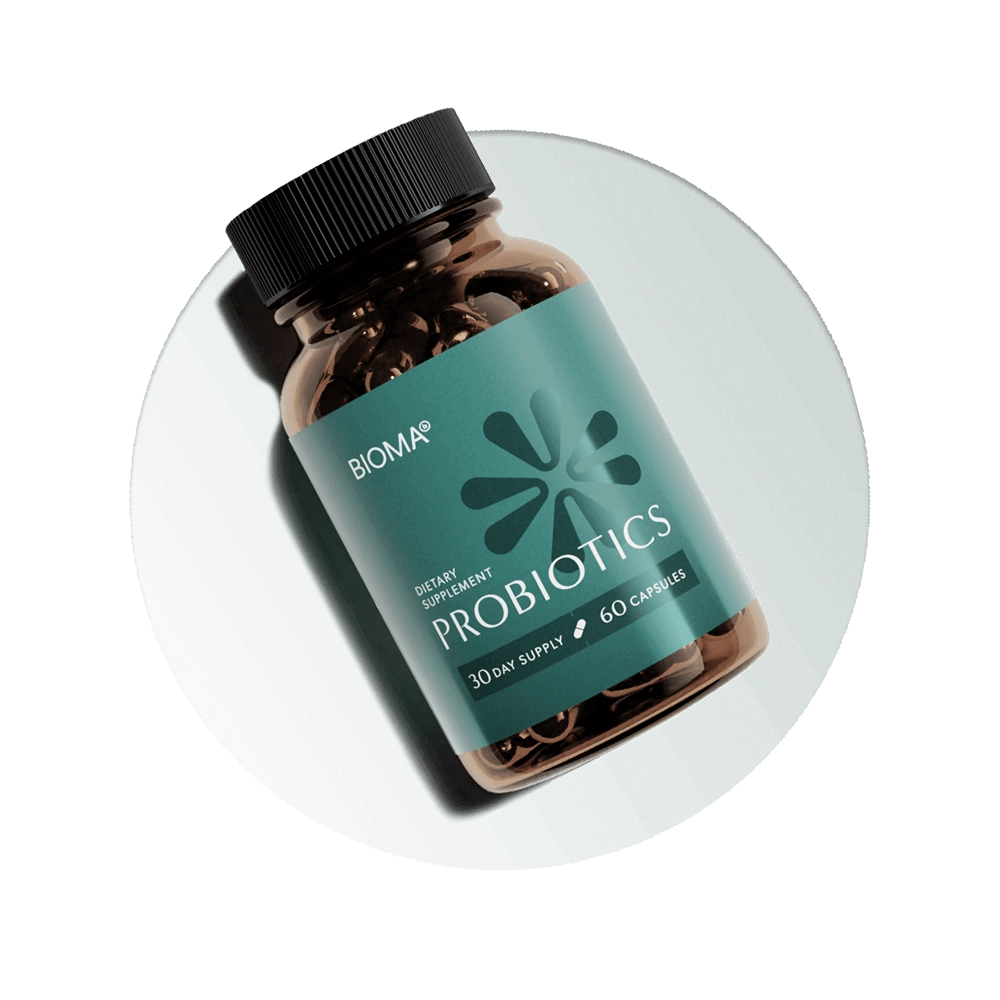
Probiotics help restore balance to your gut microbiome by introducing beneficial bacteria into your digestive system. Consider adding a high-quality probiotic supplement, such as Bioma Probiotics, to your daily routine.

3. Manage Stress
Stress is a major disruptor of both gut and hormonal health. Incorporating stress-reducing activities like meditation, yoga, or deep breathing exercises can help lower cortisol levels and support a balanced microbiome.
4. Get Enough Sleep
Sleep is essential for hormone regulation. Aim for 7-9 hours of sleep each night to help balance cortisol levels and support the production of hormones like estrogen and progesterone.
5. Avoid Excessive Sugar and Processed Foods
A diet high in sugar and processed foods can negatively impact both your gut health and hormones. Reduce your intake of refined sugars, processed snacks, and sugary drinks to support a healthy microbiome and balanced hormones.
Feminine Health Quiz: Is Your Gut Influencing Your Hormones?
Take this short quiz to assess whether your gut health might be affecting your hormonal balance:
Supporting Your Gut and Hormones for Better Health
The connection between gut health and hormone regulation is becoming increasingly clear. A healthy gut can support hormonal balance, improve digestion, boost energy, and enhance mood. If you’re experiencing symptoms of hormonal imbalance, focusing on improving your gut health may be the key to feeling your best.
For extra support, consider exploring Bioma Probiotics, a supplement designed to promote gut health and balance hormones naturally. Start taking charge of your gut health today, and enjoy the benefits of balanced hormones and overall well-being.




Related articles



Less gut discomfort. More freedom to enjoy life.
Take our 1-min quiz to find out your gut type and get personalized advice and probiotics to relieve constipation, bloating, and other digestive issues.


