Foods to Avoid With Acid Reflux

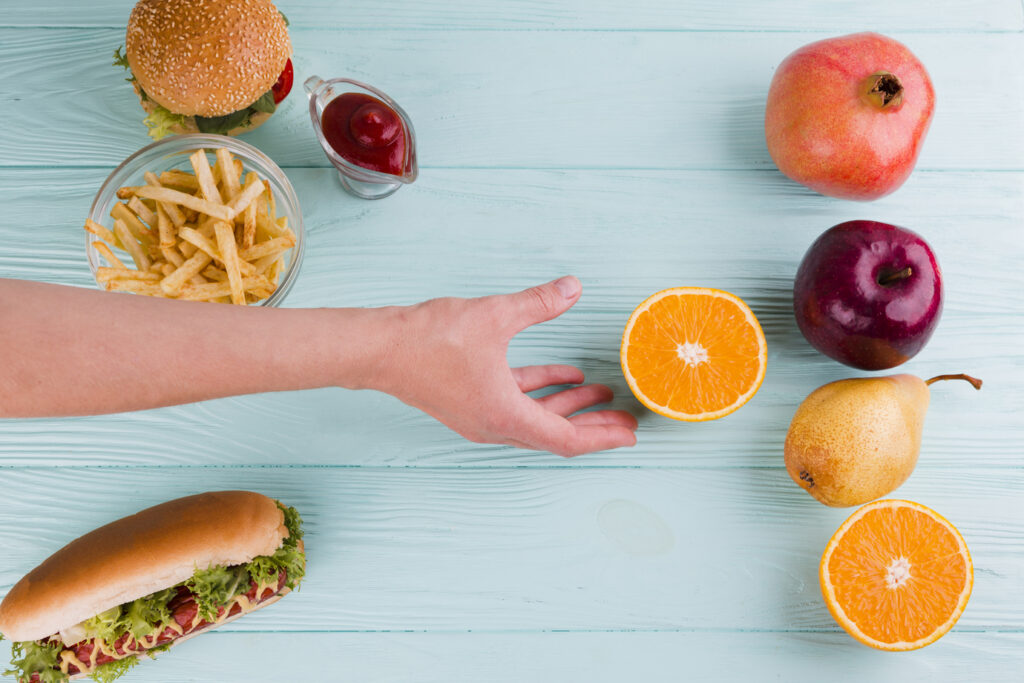
Acid reflux is one of the most common digestive complaints worldwide. For some people, it appears occasionally after a heavy meal. For others, it becomes chronic and develops into gastroesophageal reflux disease, also known as GERD. If you are searching for foods to avoid with acid reflux, the answer is not just about acidity. It is about how certain foods affect pressure, digestion speed, and the lower esophageal sphincter. This guide explains what actually triggers reflux, which foods to avoid with acid reflux disease, and what to eat instead to reduce symptoms.
What Happens in Acid Reflux and GERD?
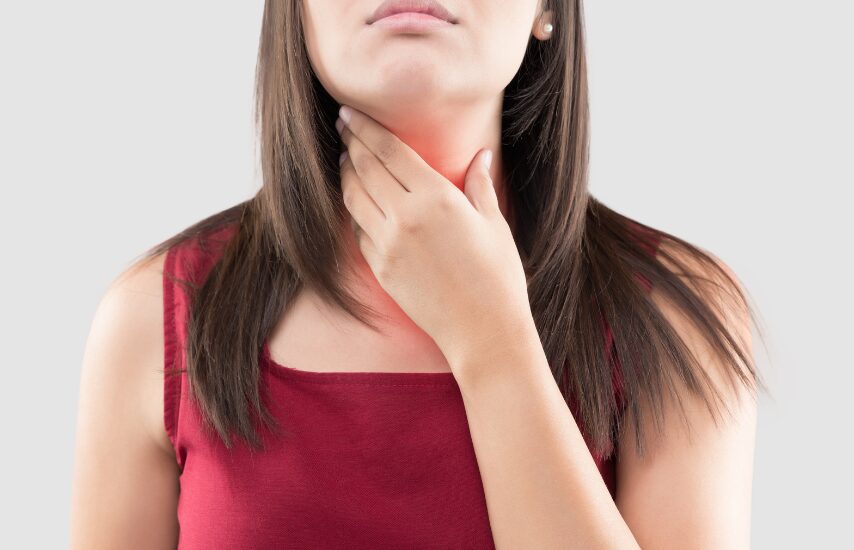
Acid reflux occurs when stomach contents move backward into the esophagus. Normally, a muscular valve called the lower esophageal sphincter keeps stomach acid in place. When this valve weakens or relaxes inappropriately, acid can travel upward, causing burning sensations, chest discomfort, or regurgitation. In gastroesophageal reflux disease, this process becomes frequent and persistent. Certain foods increase pressure inside the stomach, slow digestion, or directly relax the sphincter, making symptoms worse. That is why identifying foods to avoid with acid reflux GERD is essential. It is not only about acidic foods. Fat content, meal size, and digestion speed all play a role.
The 5 Worst Foods for Acid Reflux
When people search for the 5 worst foods for acid reflux, they are usually looking for the biggest triggers. While individual tolerance varies, several categories consistently worsen symptoms.
- Fried and high fat foods are among the most problematic. Fat slows gastric emptying and increases stomach pressure. The longer food sits in the stomach, the higher the likelihood of reflux.
- Tomato based products are another common trigger. Tomatoes are naturally acidic, and concentrated products such as sauces and pastes can intensify irritation.
- Citrus fruits like oranges, lemons, and grapefruits are acidic foods to avoid with acid reflux, especially during flare ups.
- Chocolate is often overlooked, but it may relax the lower esophageal sphincter, making reflux more likely.
- Carbonated beverages increase pressure inside the stomach due to gas expansion, which can push acid upward.
These five categories alone account for many cases where people experience symptoms shortly after eating.

Complete List of Foods to Avoid With Acid Reflux
Below is a structured, interactive checklist you can use as a practical reference. This functions as a complete list of foods to avoid with acid reflux and can help you identify your personal triggers.
LIST:
Complete List of Foods to Avoid With Acid Reflux
Check the foods that trigger your symptoms. Not every item affects everyone the same way.
High Fat & Fried Foods
Acidic Foods
Spicy & Irritating Foods
Trigger Vegetables
Drinks to Avoid With Acid Reflux
Other Common Triggers
What Drinks to Avoid With Acid Reflux
When thinking about foods and beverages to avoid with acid reflux, drinks are often the hidden trigger. Many people adjust their meals but continue consuming beverages that silently worsen symptoms throughout the day.
Coffee is one of the most common issues. It may increase stomach acid and relax the lower esophageal sphincter, especially when consumed on an empty stomach. Alcohol has a similar effect and can irritate the esophageal lining, making evening reflux more likely.
Carbonated drinks increase stomach pressure because of gas expansion, which can push acid upward. Citrus juices such as orange and grapefruit juice are highly acidic and may irritate the esophagus during flare ups. Energy drinks combine caffeine, acidity, and carbonation, making them particularly problematic.
If reflux symptoms persist, start by adjusting beverages first. Many people notice improvement simply by reducing caffeine, avoiding carbonation, and limiting alcohol before making larger dietary changes.
Best Foods to Eat With Acid Reflux GERD
While avoiding triggers is important, knowing the best foods to eat with acid reflux is equally essential.
Oatmeal and whole grains are gentle on the stomach and provide fiber without increasing acid production. Lean proteins such as chicken, turkey, fish, and tofu are generally well tolerated when prepared without heavy fats.
Low acid fruits such as bananas and melons are often safer options compared to citrus. Non acidic vegetables including broccoli, green beans, zucchini, and leafy greens are commonly recommended for those managing foods to eat with gastroesophageal reflux disease.
If acid reflux is severe, choose simple meals with moderate portions. Large meals increase stomach pressure and worsen symptoms.
Why Diet Alone Sometimes Isn’t Enough
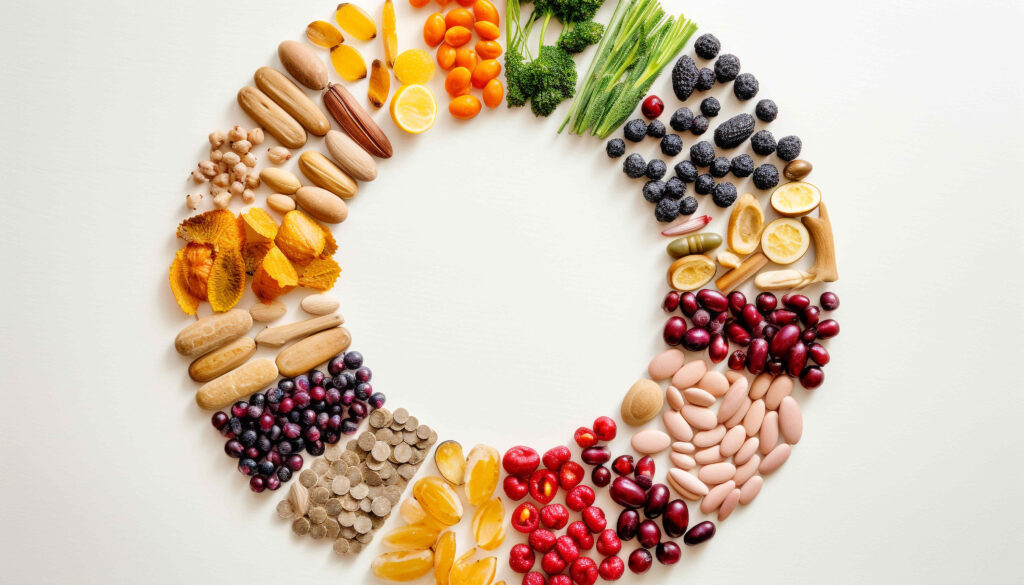
For many people, dietary adjustments significantly reduce reflux episodes. However, in chronic GERD, additional factors may be involved. Delayed gastric emptying, persistent sphincter weakness, and gut microbial imbalance can contribute to ongoing symptoms.
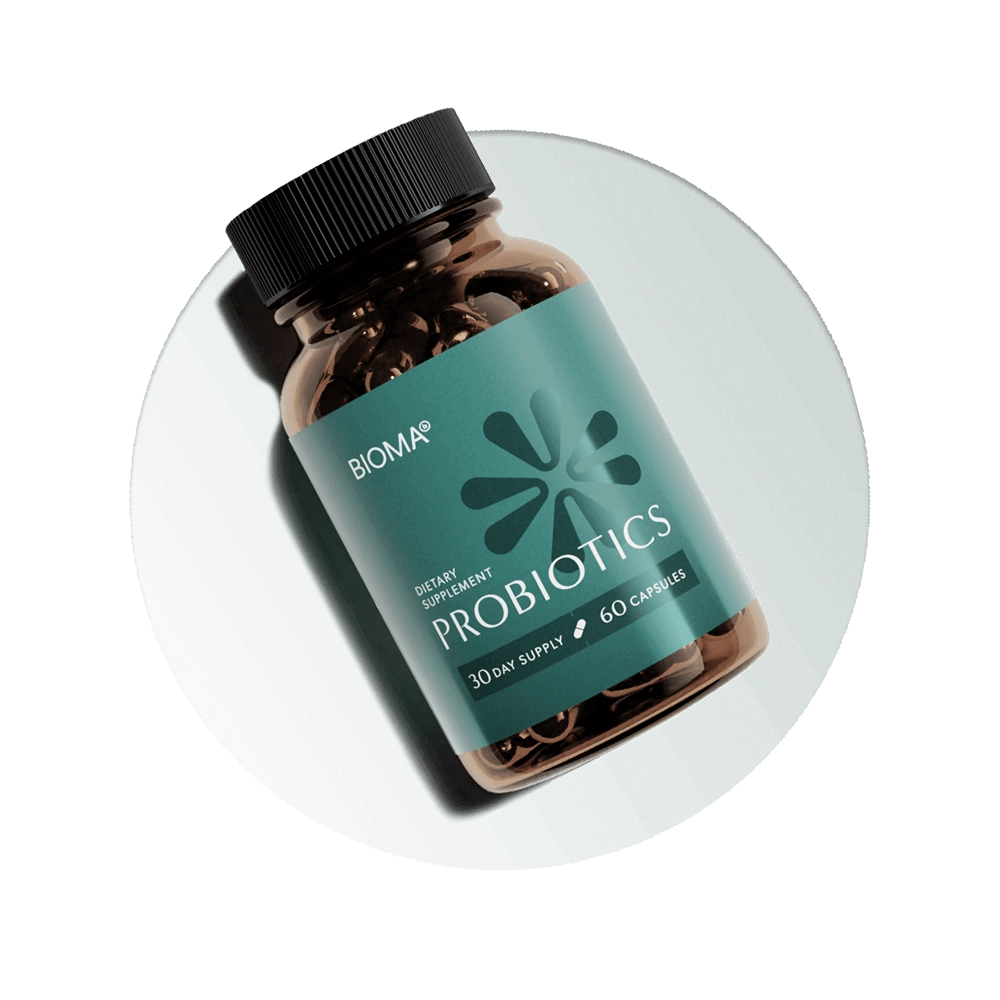
Supporting digestive function more broadly may help some individuals. Bioma Digestive Repair Probiotics are formulated to support microbial balance and digestive efficiency. While probiotics are not a cure for GERD, improving overall gut health may complement dietary strategies and help reduce inflammation related discomfort in some cases.

Persistent or severe reflux symptoms should always be evaluated by a healthcare professional.
Final Take: What Foods to Avoid With Acid Reflux and What to Do Instead
Managing acid reflux begins with awareness. Identify the foods to avoid with acid reflux disease that consistently trigger your symptoms. Focus on reducing high fat, highly acidic, and heavily processed foods. Replace them with balanced meals built around lean protein, whole grains, and low acid vegetables.
Reflux management is not about eliminating everything. It is about understanding your body’s response. With the right dietary adjustments and supportive digestive habits, many people can significantly reduce symptoms and improve daily comfort.
Related articles



Less gut discomfort. More freedom to enjoy life.
Take our 1-min quiz to find out your gut type and get personalized advice and probiotics to relieve constipation, bloating, and other digestive issues.


