Foods to Avoid When Constipated: What Makes It Worse and What Actually Helps

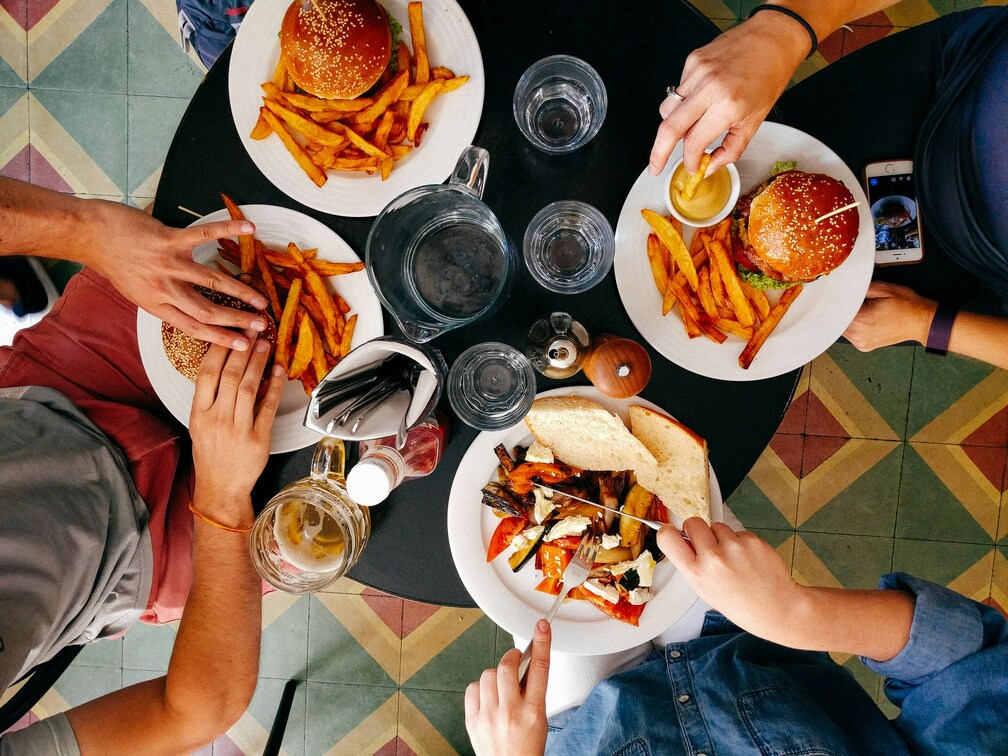
Constipation is one of the most common digestive complaints, yet most advice online focuses only on what to eat more of. Just as important is understanding which foods to avoid when constipated. Certain dietary patterns can slow bowel movements, harden stools, and increase bloating. If you are struggling with irregularity, identifying the foods that worsen constipation is often the fastest way to feel relief.
This guide explains how digestion slows down, which foods constipation is most strongly linked to, and how to adjust your diet strategically.
What Is Constipation and How Digestion Slows Down
Constipation is generally defined as having fewer than three bowel movements per week, passing hard or lumpy stools, or feeling incomplete evacuation. Medically, it is associated with slowed intestinal transit time, meaning food moves too slowly through the colon.
Digestion begins in the mouth and continues in the stomach and small intestine, where nutrients are absorbed. By the time food reaches the large intestine, most digestible components are already processed. The colon’s main role is to absorb water and form stool. If transit time becomes too slow, excessive water is absorbed, resulting in dry, hard stools that are difficult to pass.
Several factors influence motility, including hydration, fiber intake, nervous system balance, and gut muscle contractions known as peristalsis. Diet plays a central role. Low fiber intake, high consumption of processed foods, and inadequate fluid intake reduce stool bulk and slow intestinal movement. Over time, this can create a pattern of chronic constipation.
Understanding this mechanism makes it clear why certain foods worsen constipation while others support regularity.
Foods to Avoid When Constipated
If you are constipated, the goal is to reduce foods that slow transit time, increase stool hardness, or disrupt digestive balance. Below are the main categories of food to avoid during constipation.
1. Low Fiber Processed Foods
Highly processed foods are often stripped of natural fiber. White bread, pastries, crackers, packaged snacks, and many breakfast cereals provide calories but little structural bulk. Without adequate fiber, stool volume decreases, and colon movement slows.
These foods are among the most common contributors when people search for foods constipation cause. Replacing refined grains with whole food options can significantly improve bowel regularity.
2. Excessive Dairy Products
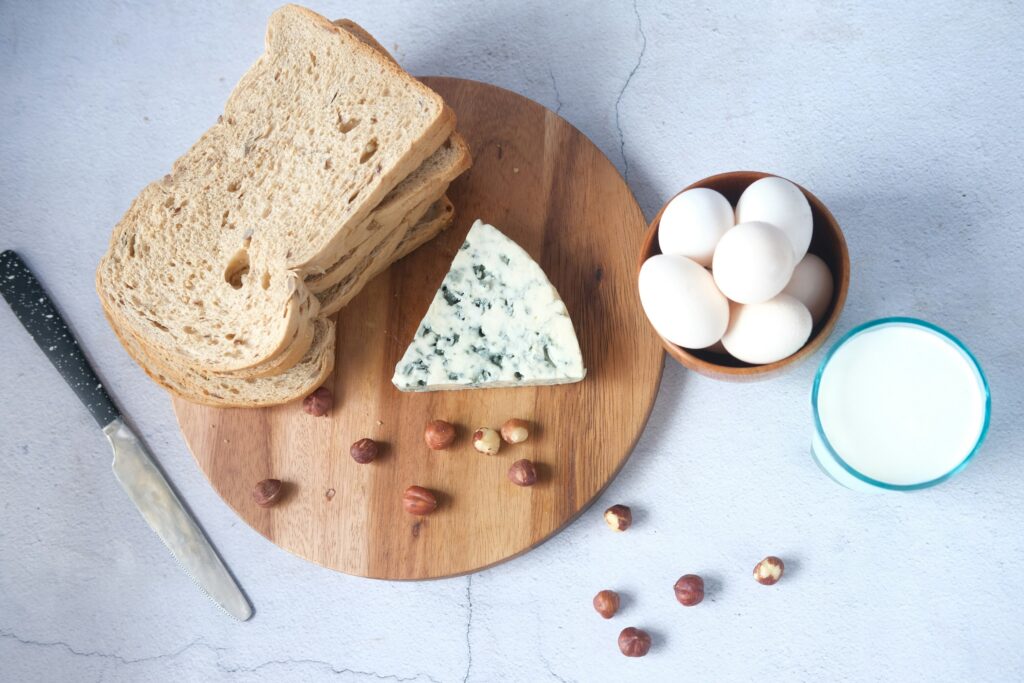
For some individuals, high intake of cheese, whole milk, and ice cream can worsen constipation. Dairy is low in fiber and may slow intestinal transit in sensitive individuals. While not everyone reacts the same way, many people notice reduced bowel frequency when consuming large amounts of cheese.
If constipation improves after reducing dairy, this may indicate individual sensitivity rather than universal intolerance.
3. Red Meat and High Fat Meals
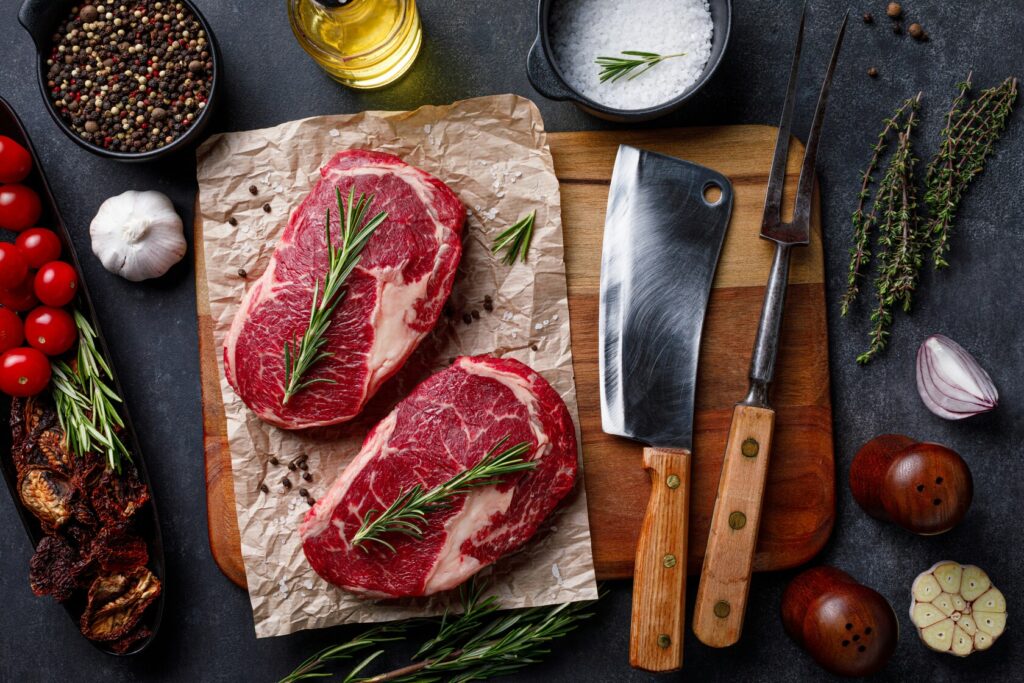
Red meat is low in fiber and relatively slow to digest. Large portions of steak, burgers, or processed meats can delay gastric emptying and contribute to slower intestinal movement.
High fat fried foods also fall into the category of food that worsen constipation. Heavy, greasy meals may reduce motility and increase bloating, especially when fiber intake is already low.
4. Refined Grains and White Carbohydrates
White rice, white pasta, and white flour products lack the bran and fiber components found in whole grains. This makes them easier to digest but less helpful for stool formation. When these foods dominate the diet, stool bulk decreases.
Here is a simple comparison:
| Food Type | Fiber Content | Effect on Constipation |
|---|---|---|
| White bread | Very low | May worsen constipation |
| Whole grain bread | Higher | Supports stool bulk |
| White rice | Very low | Can slow digestion |
| Brown rice | Higher | Supports motility |
Choosing whole versions consistently can improve digestive rhythm over time.
5. Ultra Processed and Fried Foods
Fast food meals, chips, packaged desserts, and deep fried items are typically low in fiber and high in fat and additives. These foods when constipated often increase heaviness and bloating. They also displace nutrient dense foods that support digestive health.
If you are researching foods to avoid when constipated and bloated, this category is especially relevant. Fried and heavily processed meals often worsen abdominal discomfort in addition to slowing bowel movements.
Foods That Can Cause Constipation Long Term
Short term constipation can be triggered by travel, stress, or temporary dietary shifts. However, long term patterns matter most.
Diets consistently low in fiber and high in refined carbohydrates reduce stool bulk chronically. Low hydration compounds the issue. When fluid intake is insufficient, the colon extracts more water from stool, making it harder and more difficult to pass.
Another overlooked factor is chronic dieting with insufficient caloric intake. When food volume drops significantly, stool volume decreases as well. The body adapts by slowing transit time.
Understanding these patterns helps explain why constipation often persists until dietary structure changes rather than relying on short term fixes.
Best Foods When Constipated
While this article focuses on foods to avoid when constipated, it is equally important to think about replacement rather than restriction. The best foods when constipated are those that increase stool bulk and support hydration.
Whole grains, vegetables, fruits with skin, legumes, and adequate fluid intake form the foundation of constipation relief. Consistency matters more than one single meal. Shifting overall dietary patterns gradually tends to produce more sustainable improvements than extreme changes.
Bioma Gut Health Probiotics and Digestive Balance
Dietary changes are foundational, but some people experience persistent constipation despite improving food quality. In such cases, digestive imbalance may be contributing.
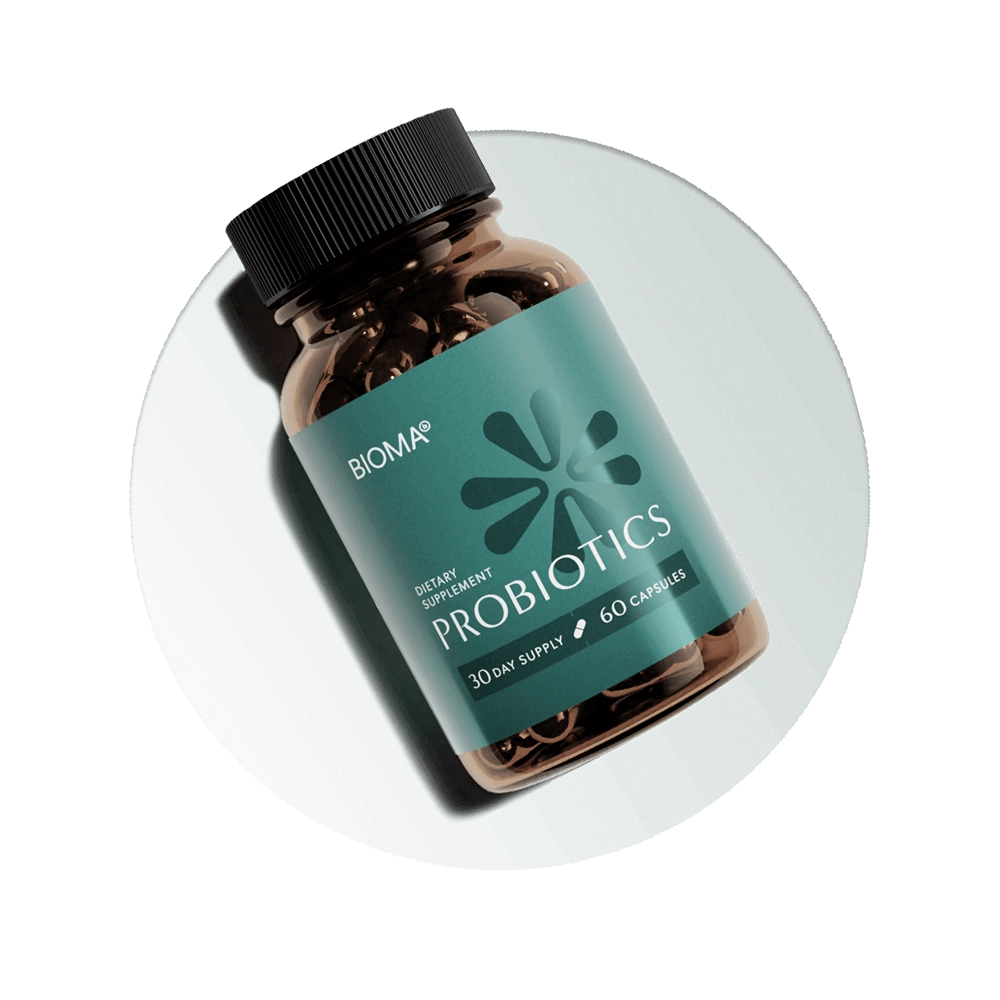
Bioma Gut Health Probiotics are formulated to support microbial balance and digestive efficiency. The product contains research backed strains such as Bifidobacterium breve, longum, and lactis, which are associated with digestive support and improved carbohydrate breakdown. It also includes synergistic ingredients designed to support beneficial bacteria growth.

When bowel movements are irregular, bloating is frequent, and stool consistency fluctuates, supporting microbial balance may complement dietary adjustments. Bioma is not a replacement for fiber and hydration, but it can be a structured addition for individuals seeking broader gut support alongside dietary improvements.
How to Prevent Constipation Long Term
Preventing constipation requires consistent habits rather than quick fixes. Reduce low fiber processed foods. Limit excessive dairy and fried meals. Replace refined grains with whole alternatives. Maintain adequate hydration daily. Eat consistently rather than skipping meals.
If symptoms persist despite structured dietary changes, consider broader digestive support strategies. The key is not just adding foods for constipation relief, but removing the foods that slow digestion in the first place.
When you eliminate the dietary patterns that disrupt motility and support your gut environment consistently, bowel movements typically become more predictable, comfortable, and regular over time.
Related articles



Less gut discomfort. More freedom to enjoy life.
Take our 1-min quiz to find out your gut type and get personalized advice and probiotics to relieve constipation, bloating, and other digestive issues.


