Foods to Avoid for Menopause Belly Fat: What Makes It Worse


Menopause belly fat is one of the most frustrating changes many women experience. You may feel like your routine has not changed, your calories are not dramatically higher, and yet fat seems to accumulate specifically around the midsection. This is not a discipline problem. It is a metabolic shift.Hormonal changes during menopause influence insulin sensitivity, muscle mass, stress response, and fat distribution. The body becomes more likely to store visceral fat, especially when blood sugar is unstable and inflammation is elevated. That is why understanding foods to avoid for menopause belly fat is not about dieting harder. It is about reducing metabolic triggers that amplify fat storage signals.
Foods to Avoid for Menopause Belly Fat
During menopause, the body becomes more sensitive to blood sugar spikes and stress hormones. Foods that were once tolerated without noticeable weight changes may now trigger stronger insulin responses and increased fat storage around the abdomen. The goal is not extreme restriction. The goal is reducing foods that repeatedly spike insulin, increase inflammation, or disrupt appetite regulation. Below is a practical checklist you can use to evaluate your current eating patterns.
Menopause Belly Fat Trigger Checklist
The Hidden Triggers That Make Menopause Belly Fat Worse
Even when obvious high sugar foods are reduced, certain hidden triggers can quietly maintain menopause belly fat. These factors are often overlooked because they are not strictly about calories. They are about hormonal signaling and metabolic stress.
One of the biggest drivers is repeated blood sugar spikes. During menopause, insulin sensitivity often decreases, which means the body responds more aggressively to refined carbohydrates and sugary meals. Frequent glucose swings increase insulin output, and insulin is a fat storage hormone that particularly favors abdominal storage when estrogen declines.
Poor sleep is another underestimated factor. Sleep deprivation elevates cortisol, and chronically elevated cortisol is associated with increased visceral fat accumulation. Even moderate sleep disruption can increase hunger hormones and intensify cravings for high carbohydrate comfort foods.

Stress eating compounds the issue. Emotional stress during midlife transitions is common, and cortisol elevation paired with easy access to processed food creates a metabolic environment that favors fat retention. The body stores energy more readily when it perceives ongoing stress signals.
Muscle loss also plays a central role. During menopause, lean muscle mass naturally declines unless resistance training is prioritized. Since muscle tissue is metabolically active, reduced muscle mass lowers resting metabolic rate, making fat gain more likely even without increased food intake.
When these hidden triggers combine, menopause belly fat becomes less about overeating and more about hormonal environment. Addressing them creates a more favorable metabolic setting for fat reduction.
Best Diet for Menopause Belly Fat (Without Extreme Restrictions)
The best diet for menopause belly fat is not the most restrictive one. It is the one that stabilizes blood sugar, preserves muscle mass, and reduces inflammatory load consistently. Extreme dieting often backfires during menopause because it increases cortisol and slows metabolism further.
A protein forward approach is particularly effective. Adequate protein intake supports muscle preservation, increases satiety, and reduces post meal blood sugar spikes. Prioritizing protein at breakfast and evenly distributing it across meals helps reduce cravings and mid afternoon energy crashes.

Fiber rich whole foods also matter. Vegetables, legumes, and minimally processed grains slow digestion and improve insulin response. Fiber supports gut health, which is increasingly recognized as part of metabolic regulation during menopause.
Healthy fats such as olive oil, fatty fish, nuts, and seeds support hormone production and reduce inflammation. They also improve meal satisfaction, which makes overeating less likely. The goal is not low fat or low carb extremes, but metabolic stability.
Many women consider keto and menopause belly fat strategies. While low carbohydrate approaches may reduce blood sugar variability short term, they are not necessary for most individuals and can be difficult to sustain. A moderate carbohydrate intake focused on whole food sources is often more realistic and metabolically supportive long term.
The most effective diet to lose menopause belly fat is sustainable, protein sufficient, fiber rich, and balanced. It works with hormonal shifts rather than fighting them aggressively.
Best Supplements for Menopause Belly Fat
While food patterns matter most, supplements can support metabolic balance during menopause when used strategically.
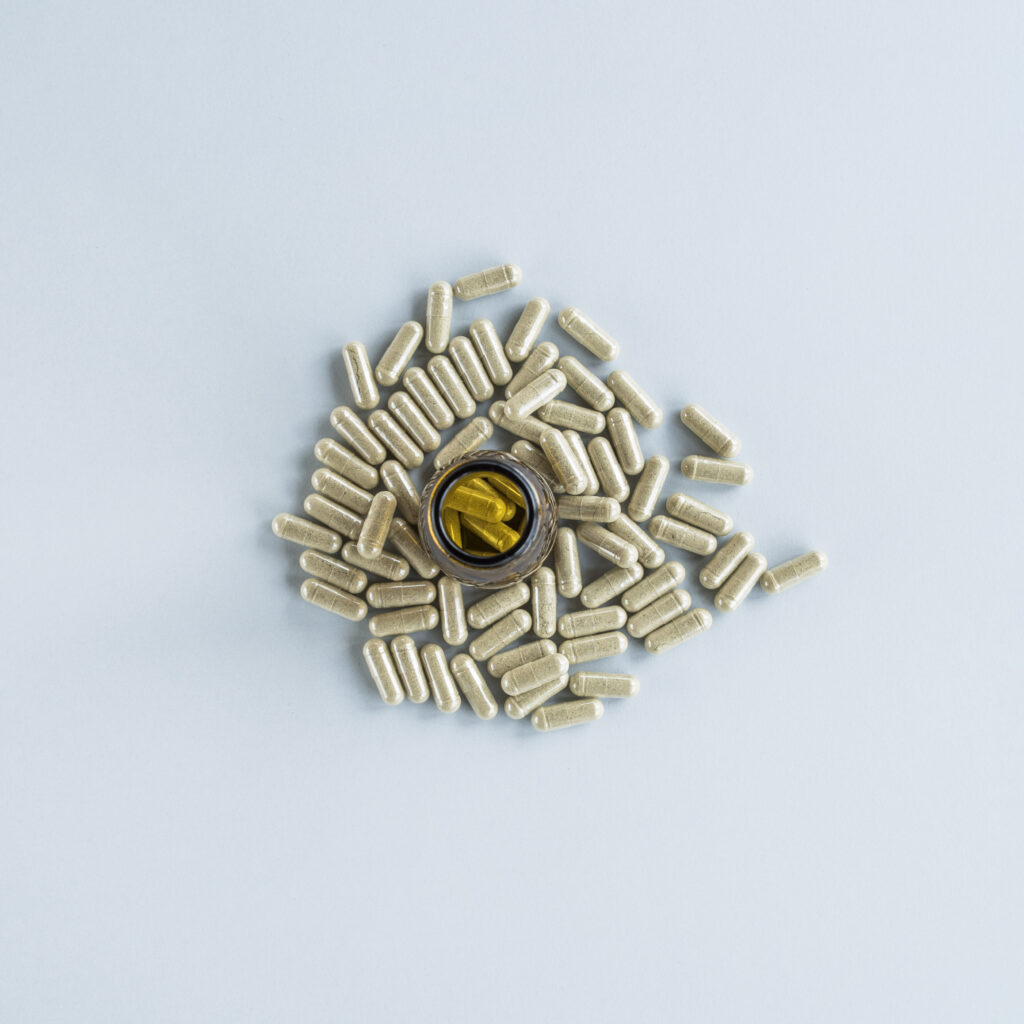
Protein supplementation can help preserve lean muscle mass, which naturally declines during menopause and influences metabolic rate. Fiber supplements may improve satiety and help regulate blood sugar, both of which are important when addressing abdominal fat storage.
Omega-3 fatty acids support anti-inflammatory pathways and may help improve insulin sensitivity. Magnesium may assist with sleep quality and stress regulation, both of which influence cortisol patterns and belly fat accumulation.
Probiotics for menopause belly fat are gaining attention due to the connection between gut health and metabolism. Emerging research suggests that gut microbial balance influences appetite regulation, inflammation, and even estrogen metabolism. When microbial diversity improves, metabolic flexibility often improves as well.
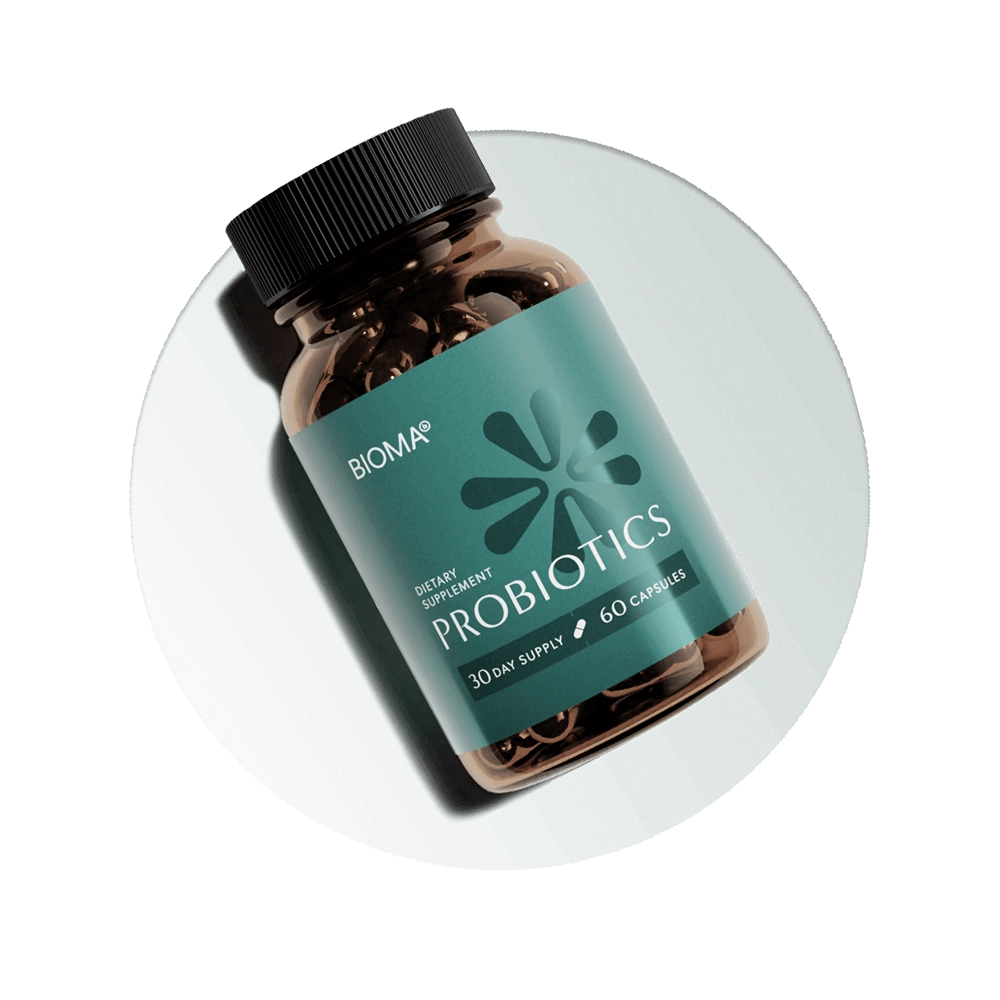
Bioma Probiotics contain Bifidobacterium lactis, Bifidobacterium longum, and Bifidobacterium breve, strains associated with digestive balance and metabolic support. The formula also includes Xylooligosaccharides to nourish beneficial bacteria and Tributyrin to support gut lining integrity. Since gut inflammation and metabolic dysfunction often overlap during menopause, supporting the microbiome may complement dietary efforts.

Supplements are not shortcuts. However, when combined with reduced intake of high trigger foods, they can strengthen the metabolic foundation required to lose menopause belly fat more effectively.
Work With Your Hormones, Not Against Them
Menopause belly fat is not a failure of willpower. It is a shift in how the body processes stress, insulin, and inflammation. The most effective diet to reduce menopause belly fat is not extreme. It is stable, protein supportive, fiber rich, and low in repeated blood sugar spikes.
Start with the checklist. Reduce what triggers metabolic stress. Then support your system consistently. Sustainable fat loss during menopause is about calming the system, not punishing it.
Related articles



Less gut discomfort. More freedom to enjoy life.
Take our 1-min quiz to find out your gut type and get personalized advice and probiotics to relieve constipation, bloating, and other digestive issues.


