Do You Struggle with Bloating or Water Retention? Find Out Why


Bloating and water retention are common issues that many people face, often leading to discomfort and frustration. If you’ve ever experienced swelling in your legs, feet, or abdomen, or felt unusually full or bloated after eating, you might be dealing with water retention. But what exactly causes water retention, and more importantly, how can you address it?
In this blog post, we’ll dive into the causes of water retention, how it affects your body, and practical tips on how to get rid of water retention and bloating. Understanding the underlying reasons for this issue can help you find the right treatment and improve your overall well-being. Let’s get started!

What is Water Retention?
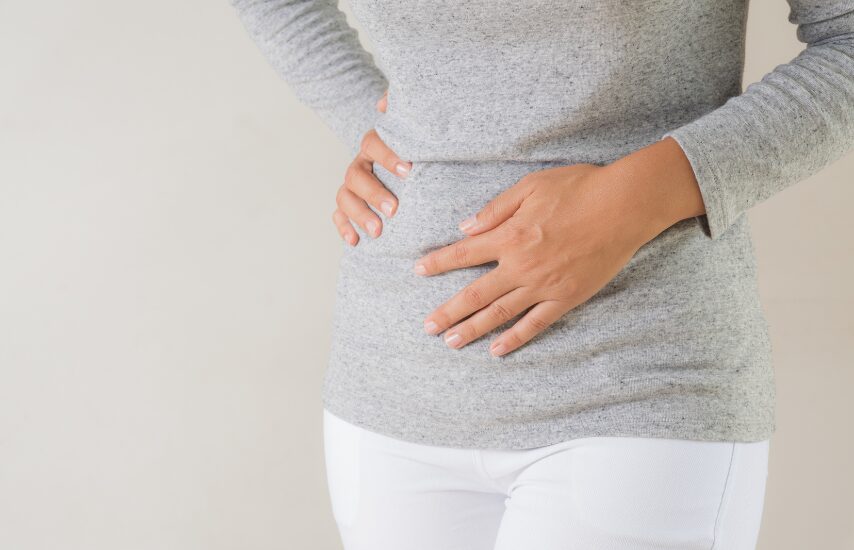
Water retention, also known as edema, occurs when excess fluids build up in your body’s tissues. This typically happens in the legs, ankles, feet, and even the abdominal area. You might notice the affected areas feeling tight, heavy, or swollen. While some amount of water retention is normal, particularly during certain times of the month for women, persistent or severe water retention may indicate an underlying health issue.
Water retention can occur due to various factors, including lifestyle choices, hormonal fluctuations, dietary habits, and even certain medical conditions. Understanding the causes is the first step toward effective treatment and relief.
Common Causes of Water Retention
Several factors can contribute to water retention. Identifying the root cause can help you address the issue and manage symptoms more effectively. Here are some of the most common causes of water retention:
1. High Sodium Intake
One of the primary causes of water retention is consuming too much salt (sodium). Sodium attracts and holds water, which leads to fluid buildup in the tissues. A diet high in processed foods, fast food, and snacks can contribute to excessive sodium intake, causing you to retain water and feel bloated.
2. Hormonal Changes
Hormonal fluctuations, particularly those related to the menstrual cycle, can lead to temporary water retention. Many women experience water retention during the premenstrual phase, commonly known as PMS. Hormones like progesterone and estrogen influence the body’s fluid balance, making water retention more noticeable before or during menstruation.
3. Sitting or Standing for Long Periods
When you sit or stand for long periods without moving, gravity can cause fluid to pool in your legs, feet, and ankles, leading to swelling. This is commonly referred to as postural edema. People who work at desks, travel frequently, or are on their feet all day may experience this type of swelling.
4. Dehydration
While it might sound counterintuitive, dehydration can actually lead to water retention. When your body doesn’t get enough water, it tries to hold on to the fluids it does have, which can cause bloating and swelling. Ensuring proper hydration can help your body maintain a healthy balance and reduce water retention.
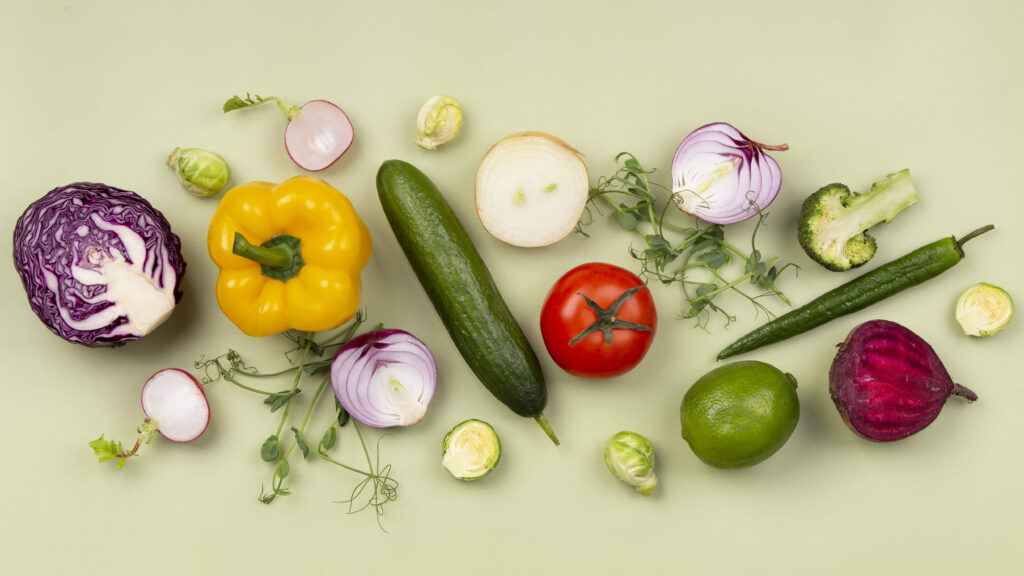
5. Poor Diet
A diet high in refined carbohydrates, sugar, and processed foods can exacerbate water retention. Foods that are low in nutrients and high in unhealthy fats can increase the body’s inflammatory response, leading to fluid retention. Additionally, insufficient intake of vitamins and minerals like magnesium and potassium can interfere with the body’s fluid regulation.
6. Medical Conditions
Certain medical conditions, such as kidney disease, heart disease, and liver problems, can also cause water retention. These conditions affect the body’s ability to process and eliminate excess fluids. If you notice severe or persistent swelling, especially in the face or abdomen, it’s important to consult with a healthcare provider to rule out any underlying conditions.
7. Pregnancy
During pregnancy, women experience significant hormonal and physiological changes that can lead to water retention. This is especially common in the later stages of pregnancy, when the body’s fluid volume increases to support the growing baby.
8. Medications
Certain medications, such as corticosteroids, blood pressure medications, and birth control pills, can also cause water retention as a side effect. If you suspect your medication is contributing to bloating or swelling, consult your doctor about possible alternatives or solutions.
Symptoms of Water Retention
Water retention symptoms can range from mild to severe. Common symptoms include:
- Swelling in the legs, ankles, feet, or abdomen
- Bloating, especially after meals
- Tight or puffy skin in affected areas
- Weight fluctuations (temporary weight gain due to fluid buildup)
- Stiffness or discomfort in the joints
- Shiny or stretched skin in swollen areas
If you experience persistent or painful swelling, it may be a sign of an underlying health issue and should be evaluated by a healthcare professional.
How to Get Rid of Water Retention: Treatment and Remedies
If you’re dealing with water retention, there are several strategies you can adopt to alleviate the symptoms and reduce fluid buildup in the body. Here are some effective ways to address water retention:
1. Reduce Sodium Intake
Limiting your consumption of high-sodium foods can significantly reduce water retention. Focus on eating fresh, whole foods, and limit processed foods, canned goods, and salty snacks. Cooking meals at home using herbs and spices for flavor rather than salt can also help.
2. Stay Hydrated
Drinking enough water throughout the day helps flush out excess sodium and toxins from your body. Aim for 8-10 glasses of water daily to keep your body properly hydrated and support healthy fluid balance.
3. Increase Potassium-Rich Foods
Potassium is a key mineral that helps regulate fluid balance in the body. Eating potassium-rich foods like bananas, avocados, sweet potatoes, and spinach can help balance the effects of sodium and reduce water retention.
4. Exercise Regularly
Physical activity promotes circulation and helps prevent fluid buildup in the legs and lower body. Regular movement, such as walking, swimming, or cycling, can help reduce swelling and improve circulation. If you spend long periods sitting or standing, try to take short breaks and move around to keep the blood flowing.
5. Elevate Your Legs
If you experience water retention in your legs or feet, elevating them above heart level can help reduce swelling. Try lying down and propping your legs up on pillows to allow gravity to help drain excess fluid.
6. Take Natural Diuretics
Certain natural diuretics, like dandelion tea, apple cider vinegar, and green tea, can help flush out excess fluid from the body. However, it’s important to consult with a healthcare provider before taking diuretics, especially if you have underlying health conditions.
7. Wear Compression Stockings
Compression stockings can help prevent fluid from accumulating in the legs and reduce swelling. They are especially helpful for people who stand or sit for long periods of time.
Take Action to Relieve Water Retention
Water retention can be uncomfortable and disruptive, but with the right lifestyle changes and strategies, it’s manageable. Reducing sodium intake, staying hydrated, and incorporating more anti-inflammatory foods into your diet can make a significant difference. If you’re looking for natural remedies to support your body’s fluid balance, Bioma Health offers a range of products that can help.



Related articles


Less gut discomfort. More freedom to enjoy life.
Take our 1-min quiz to find out your gut type and get personalized advice and probiotics to relieve constipation, bloating, and other digestive issues.


