Cortisol Foods to Avoid: What Really Raises Stress Hormones?


Cortisol has developed a bad reputation online. It is often blamed for weight gain, belly fat, poor sleep, anxiety, and hormonal imbalance. While cortisol is indeed linked to stress, it is not a “bad” hormone. It is essential for survival. The real issue is chronic elevation.
If you are searching for cortisol foods to avoid, you are likely trying to reduce stress, improve sleep, or support weight balance. The key is understanding how diet influences cortisol regulation and how certain foods may indirectly contribute to higher stress hormone patterns over time.
What Is Cortisol and Why Does It Matter?
Cortisol is a hormone produced by the adrenal glands. It plays a central role in the body’s stress response, blood sugar regulation, inflammation control, and energy mobilization.
In short bursts, cortisol is helpful. It helps you wake up in the morning, respond to danger, and maintain stable blood pressure. Problems arise when cortisol remains elevated for extended periods due to chronic stress, poor sleep, unstable blood sugar, or inflammation.
Many people ask: do foods contain cortisol? No, foods do not contain cortisol in a way that directly transfers into your bloodstream. However, certain foods can influence how your body produces and regulates cortisol.
This is why the question is not whether food contains cortisol, but what food affects cortisol levels indirectly.

What Are Cortisol Triggering Foods?
When discussing cortisol triggering foods, we are really talking about foods that destabilize blood sugar, increase inflammation, or stimulate the nervous system excessively.
One of the most significant contributors is excess added sugar. Rapid blood sugar spikes followed by crashes signal the body to release stress hormones, including cortisol, to stabilize glucose levels. Frequent consumption of sugary drinks, desserts, and processed snacks can create repeated stress responses throughout the day.
Refined carbohydrates such as white bread, pastries, and low fiber grains act similarly. They digest quickly and can contribute to glucose volatility, especially when eaten alone without protein or fat.
Ultra processed foods also deserve attention. These products often combine refined carbohydrates, industrial oils, additives, and low nutrient density. Diets high in ultra processed foods are associated with increased systemic inflammation, which can interact with the stress response system.
Excess caffeine is another important factor. Moderate caffeine intake is safe for most people, but high consumption, particularly on an empty stomach, can stimulate cortisol release. For individuals already experiencing high stress or poor sleep, excessive caffeine may worsen cortisol patterns.
Alcohol also influences cortisol. While it may initially feel relaxing, alcohol can disrupt sleep architecture and increase nighttime cortisol production. Chronic heavy intake is linked to dysregulation of the stress response system.
These are the most common high cortisol foods to avoid, not because they contain cortisol, but because they stress metabolic systems.
High Cortisol Foods to Avoid (Practical Guidance)
If you are trying to reduce cortisol through diet, focus on patterns rather than single ingredients. Foods to avoid for high cortisol levels typically include:
– Sugary beverages and energy drinks
– Frequent desserts and candy
– Highly refined breakfast cereals
– Ultra processed snack foods
– Excess fried fast food
– Heavy late night alcohol consumption
– Multiple large coffees on an empty stomach

It is important to emphasize that occasional intake is not the issue. Cortisol dysregulation is usually the result of repeated daily stressors combined with lifestyle factors such as sleep deprivation and psychological stress. Instead of eliminating entire food groups, aim to reduce the frequency of foods that cause repeated blood sugar instability.
Cortisol Foods to Avoid for Women
Women may be particularly sensitive to blood sugar fluctuations and stress related hormonal shifts. Cortisol interacts with estrogen and progesterone, and chronic stress may contribute to menstrual irregularities, increased fatigue, or stubborn weight retention.
Cortisol foods to avoid for women often include those that significantly spike and crash blood sugar. Skipping meals, drinking excessive caffeine, and relying on processed carbohydrates may compound hormonal stress.
For women especially, consistent meals that include protein, fiber, and healthy fats can help buffer cortisol responses and support hormonal balance.
5 Foods That Naturally Decrease Cortisol
While much attention is given to what to avoid, it is equally important to focus on what foods naturally lower cortisol levels.
Omega 3 rich foods such as fatty fish support anti inflammatory pathways and may help regulate stress responses. Magnesium rich foods including leafy greens, seeds, and legumes support nervous system balance.
Fermented foods such as yogurt, kefir, and sauerkraut support gut health. The gut microbiome plays a role in regulating the hypothalamic pituitary adrenal axis, which controls cortisol release.

Polyphenol rich foods such as berries, green tea, and dark chocolate contain antioxidants that may reduce oxidative stress.
High fiber whole foods help stabilize blood sugar and prevent the glucose volatility that triggers cortisol release.
If you are wondering what food can lower cortisol, the answer is rarely one “superfood.” It is the overall dietary pattern that supports metabolic stability.
How to Reduce Cortisol Through Diet Without Extreme Restrictions
The most effective way to reduce cortisol through diet is by stabilizing blood sugar throughout the day. When glucose levels rise and fall dramatically, the body compensates by releasing stress hormones, including cortisol, to restore balance. This repeated cycle can contribute to fatigue, cravings, and heightened stress sensitivity over time.
Start with protein at breakfast rather than beginning the day with only coffee or refined carbohydrates. A balanced morning meal that includes protein, fiber, and healthy fats helps reduce rapid glucose spikes and provides more stable energy. When blood sugar is supported early in the day, the body is less likely to rely on excessive cortisol release later in the afternoon.

Eating consistently throughout the day is equally important. Long gaps between meals can signal the body that energy availability is uncertain, which may increase stress hormone output. Regular, balanced meals communicate safety and stability to the nervous system.
Reduce stimulant stacking, especially if stress levels are already high. Multiple coffees combined with poor sleep and a demanding schedule create cumulative stress on the adrenal system. Moderating caffeine intake, particularly in the afternoon, can support more stable cortisol rhythms.
Limit alcohol in the evening if sleep quality is poor. While alcohol may initially feel calming, it can disrupt sleep cycles and increase nighttime cortisol levels. Poor sleep then feeds back into higher stress reactivity the following day.
Hydration also plays a subtle but important role. Even mild dehydration increases physiological stress and can elevate heart rate and perceived fatigue. Maintaining consistent fluid intake supports overall metabolic and nervous system balance.
Small, consistent adjustments tend to regulate cortisol more effectively than strict elimination diets or extreme detox protocols. The goal is not perfection, but predictability and stability in daily eating patterns. Over time, this steady approach supports a healthier stress response without creating additional pressure around food choices.
The Gut–Stress Axis and Cortisol Regulation
The relationship between the gut and stress response is increasingly recognized. The gut microbiome communicates with the brain through neural, immune, and hormonal pathways. Disruption in microbial balance may influence how the body reacts to stress.
Chronic inflammation, digestive imbalance, and low microbial diversity may amplify stress responses, including cortisol secretion. Supporting gut health may therefore play a role in stress resilience. This is where targeted probiotic support becomes relevant.
How Bioma Probiotics May Support Stress Balance
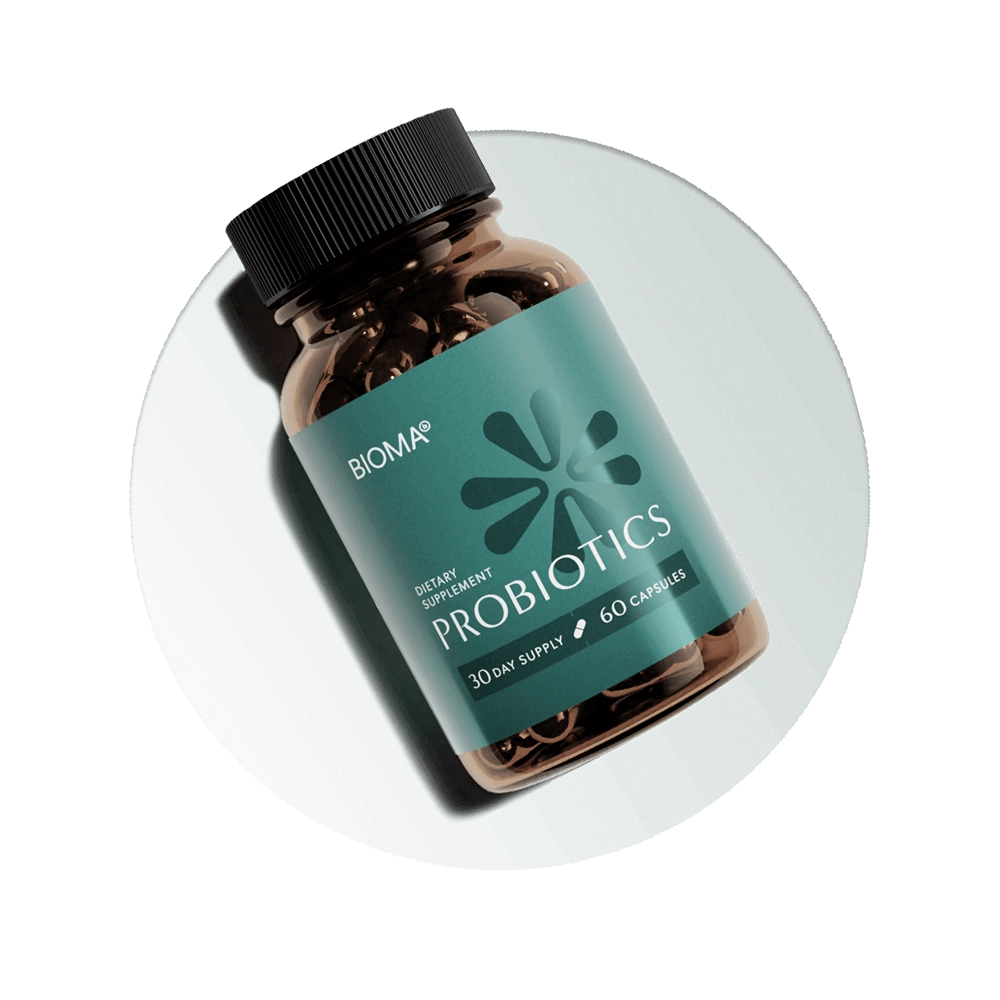
Bioma Probiotics are formulated to support gut microbial balance and digestive stability. A balanced microbiome may contribute to healthier immune signaling and improved gut barrier function, both of which interact with the stress response system.

While probiotics are not a direct cortisol blocker, supporting digestive balance may reduce inflammatory load and improve resilience to stress. When gut function improves, many individuals report better energy stability and fewer stress related digestive symptoms.
As part of a broader strategy that includes blood sugar stability, sleep optimization, and stress management, gut support can complement efforts to regulate cortisol naturally.
Cortisol Regulation Is About Stability, Not Elimination
Cortisol is not the enemy. It is a necessary hormone that becomes problematic only when chronically elevated.
Cortisol foods to avoid are typically those that destabilize blood sugar, increase inflammation, or disrupt sleep. The goal is not fear of food, but metabolic stability.
Reduce excess sugar and ultra processed foods. Moderate caffeine. Support sleep. Eat balanced meals. Prioritize gut health.
Stress resilience is built through daily patterns, not single ingredients.
Related articles



Less gut discomfort. More freedom to enjoy life.
Take our 1-min quiz to find out your gut type and get personalized advice and probiotics to relieve constipation, bloating, and other digestive issues.


