Can Gut Health Affect Dopamine and Motivation


You sit down to do something important. You know exactly what needs to be done. You even want to do it. But somehow, you just… don’t start. You scroll, you delay, you tell yourself you’ll do it later. And then later comes with the same feeling. It is easy to call this laziness or lack of discipline. But what if the problem is not your mindset at all? What if your body is not giving you the signals you need to act?
The connection between dopamine and gut health is one of the most overlooked reasons behind low motivation. Because motivation is not just a mental state. It is a biological signal, and your gut plays a bigger role in that signal than most people realize.

Dopamine Is Not Just About Feeling Good
Dopamine is often described as the “feel-good” chemical, but that is only part of the story. Its real role is to drive action. Dopamine is what helps you start tasks, stay engaged, and feel a sense of reward when you complete something.
When dopamine signaling is balanced, taking action feels natural. You still need effort, but it does not feel like a constant internal battle. When dopamine is low or unstable, everything feels harder to initiate. Even small tasks can feel disproportionately difficult.
This is why motivation is not just about wanting something. It is about whether your system is able to generate the signal that pushes you into action.
Why Your Motivation Feels “Unstable” Day to Day
One of the most confusing parts of motivation is how inconsistent it can feel. One day you are focused, productive, and clear. The next, you feel slow, distracted, and unmotivated for no obvious reason.
This inconsistency is often blamed on mood or discipline, but it is more accurate to see it as a reflection of your internal state. Your energy levels, your stress levels, and your gut all influence how stable your motivation feels.
When your system is balanced, your motivation tends to be more stable. When it is not, your ability to take action fluctuates. This is why motivation can feel unpredictable. It is not a fixed trait. It changes based on what is happening inside your body.

Why You Feel Unmotivated (Even When You Care)
One of the most frustrating experiences is caring about something but still not being able to act on it. You know it matters. You think about it often. But when it comes time to actually do it, something feels blocked.
This is where biology becomes important. Motivation requires energy, and energy depends on how efficiently your body is functioning. If your system is under stress, low on resources, or out of balance, your brain prioritizes conservation over action.
This can create a disconnect between intention and behavior. You are not choosing to avoid action. Your body is simply not supporting it in the way you expect. Understanding this shifts the conversation from blame to awareness.
The Hidden Loop: Gut → Energy → Dopamine → Behavior
One of the most important patterns to understand is the loop that connects your gut, your energy, and your behavior.
When your gut is not balanced, your body may struggle to extract and use energy efficiently. This leads to lower overall energy levels, even if you are eating enough. With lower energy, your brain reduces dopamine signaling because it is trying to conserve resources.
Lower dopamine makes it harder to take action. When you do less, you may feel frustrated or guilty, which increases stress. That stress feeds back into your gut, making the imbalance worse.
This loop is subtle, but powerful. It explains why motivation issues often persist even when you try to fix them mentally. The problem is not just in your thoughts. It is in the system that generates your ability to act.
Signs Your Gut May Be Affecting Your Motivation
Sometimes the connection is not obvious, but there are patterns that can point to a deeper issue.
- Low or inconsistent energy throughout the day
- Brain fog that makes it hard to focus
- Strong cravings, especially for quick energy foods
- Difficulty staying consistent with routines
- Noticeable dips in mood or drive
These signs are often treated separately, but they are frequently connected. When they appear together, they usually indicate that your system is not fully balanced. This is where the gut health effect on mental health becomes more visible in everyday life.

How to Increase Dopamine in the Gut (Without Hacks)
There is a lot of advice online about “boosting dopamine,” but most of it focuses on quick spikes rather than long-term stability. The real goal is not to artificially increase dopamine, but to support the systems that regulate it naturally.
When your gut is balanced, your body is better able to maintain stable energy and consistent signaling. This creates a foundation where dopamine can function properly without extreme fluctuations. Instead of chasing motivation, you create conditions where it appears more naturally.
Understanding how to increase dopamine in the gut is less about specific tricks and more about supporting your internal environment. Stability matters more than intensity.
Supporting the System That Drives Motivation
If motivation is a signal, then improving it means improving the system that produces it. This is where gut health becomes a practical focus rather than just an abstract concept.
Supporting your microbiome can help stabilize energy, reduce internal stress, and improve how your body communicates with your brain. Over time, this can make your motivation feel less like something you have to force and more like something that shows up consistently.
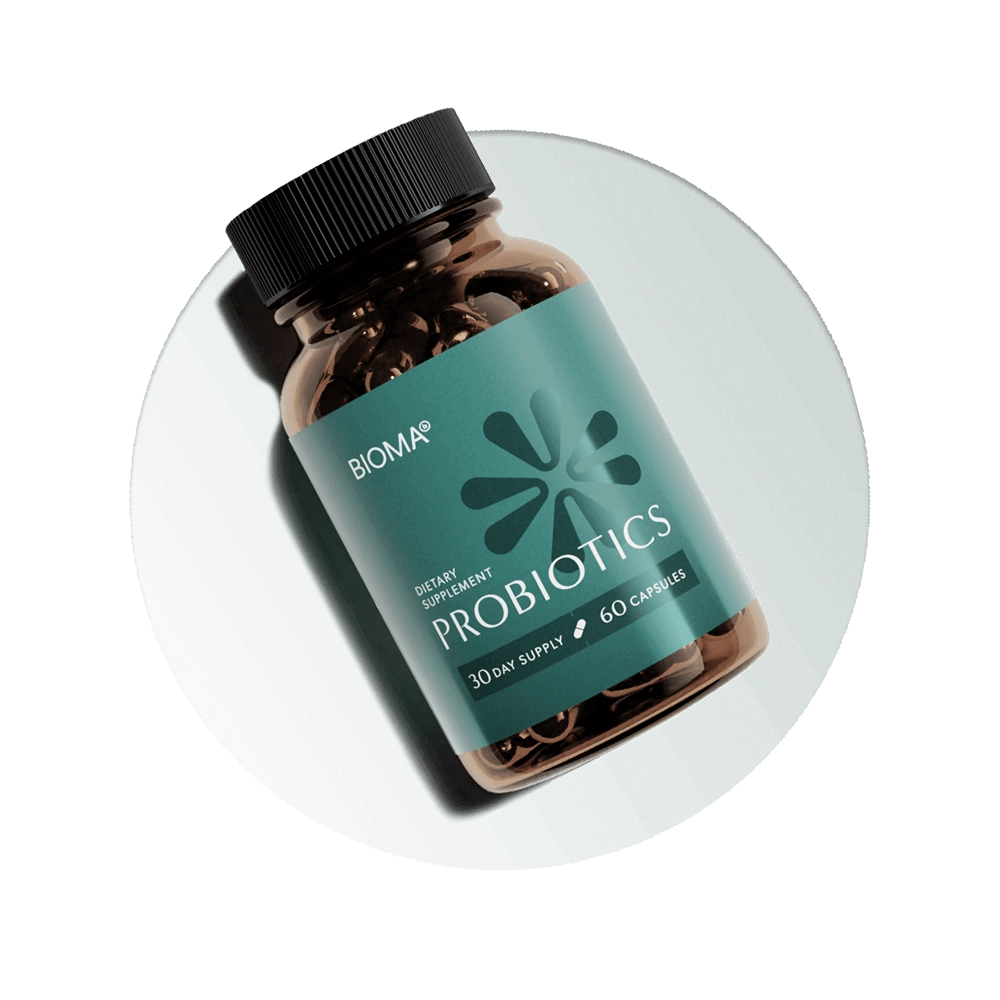
This is where solutions like Bioma Probiotics can support that process. By focusing on microbiome balance, they help create a more stable internal environment. This does not replace effort or discipline, but it makes both easier to access. When your system is working with you, taking action becomes less of a struggle.

Why “Just Be Disciplined” Doesn’t Work for Everyone
The idea that discipline alone solves everything ignores how much biology influences behavior. For some people, pushing through works temporarily. For others, it feels like constant resistance no matter how hard they try.
This difference is not about character. It is about how well the internal system supports action. When your energy is stable and your signals are clear, discipline becomes easier to apply. When they are not, it feels like you are fighting against yourself.
This is why two people can have the same goals and completely different experiences trying to achieve them.
Motivation Is a Signal, Not a Personality Trait
Motivation is often treated as something you either have or do not have. In reality, it is something your body produces based on its current state. It is a signal, not a personality trait. When you understand this, the focus shifts. Instead of trying to force motivation, you start supporting the systems that create it. Over time, this changes how effort feels. What once felt difficult becomes more manageable, not because you changed who you are, but because your system is working better. And that is where real, sustainable change begins.
Related articles



Less gut discomfort. More freedom to enjoy life.
Take our 1-min quiz to find out your gut type and get personalized advice and probiotics to relieve constipation, bloating, and other digestive issues.


