Are Your Daily Habits Supporting a Healthy Microbiome? Find Out Now


The gut microbiome is one of the most influential ecosystems in the human body—so influential that scientists increasingly refer to it as a “forgotten organ.” It consists of trillions of microorganisms living in your digestive tract that help with digestion, nutrient absorption, metabolism, immune function, and even the regulation of mood and brain health. Yet too often daily habits—especially diet, stress, sleep, and lifestyle—undermine this complex system. This article explains what the gut microbiome is, why it matters, how your daily habits impact it, and how you can support a balanced microbiome for better health. We also include a quick quiz to help you assess whether your habits support or sabotage your microbiome.

What Is the Gut Microbiome?
Your gut microbiome is a vast and dynamic community of bacteria, fungi, viruses, and other microorganisms that live primarily in your intestines. These microbes are constantly interacting not only with your digestive system but also with your immune system, metabolism, and nervous system. Each person’s microbiome is unique, shaped by genetics, environment, diet, and lifestyle.
Scientists have discovered that gut microbes help break down food, produce vitamins, train your immune system, and produce important metabolites like short‑chain fatty acids that support metabolic and immune health. They also influence the production of neurotransmitters such as serotonin, which affects mood and emotional regulation.
Despite its importance, the microbiome is not static. It responds quickly to your daily habits, meaning lifestyle choices can either support or disrupt its balance.
Why Your Daily Habits Matter for the Microbiome
Diet Directly Shapes Microbial Diversity
What you eat is one of the most powerful determinants of your microbiome composition. Diets rich in fiber, diverse plant foods, and whole nutrients promote beneficial bacteria. In contrast, diets high in processed foods, sugar, and unhealthy fats reduce microbial diversity and can encourage the growth of harmful bacteria.
- Fiber and plant diversity fuel beneficial microbes.
- Fermented foods like yogurt, kefir, and sauerkraut provide probiotics—live bacteria that support microbiome balance.
- Microbiota‑accessible carbohydrates (MACs), such as resistant starches found in foods like oats and legumes, act as prebiotics that feed beneficial microbes.
The Microbiome and Mental Health Connection
Emerging research shows that the gut microbiome communicates with the brain through the gut‑brain axis—a bidirectional network involving neural, metabolic, and immune pathways. This communication influences mood, behavior, and cognitive function. Some studies suggest that microbial metabolites affect neurotransmitter production, which can impact depression, anxiety, and stress responses.
For example, deficiencies in certain microbes have been linked to changes in mood and emotional regulation, while diets that support microbial diversity are associated with better mental health outcomes.
Stress, Sleep, and Environment Also Influence Microbiome Health
Daily habits beyond diet—such as chronic stress, poor sleep, and limited physical activity—can alter your microbiome. Stress hormones like cortisol may disrupt gut barrier integrity and increase inflammation. Likewise, poor sleep may negatively affect microbial diversity and metabolic function.
Even aspects of the environmental microbiome—the microbes surrounding you in your home, workplace, or natural environments—interact with your internal microbial ecosystem. Regular time outdoors and reduced exposure to unnecessary antimicrobials may enhance microbial diversity.

Lifestyle Factors That Support a Healthy Gut Microbiome
To optimize your microbiome, consider the following strategies:
1. Eat a Nutrient‑Diverse Diet
A diet focused on whole foods—vegetables, fruits, legumes, whole grains, and fermented foods—provides a wide range of fibers and nutrients that beneficial microbes thrive on.
2. Include Probiotic and Prebiotic Foods
Probiotics (live beneficial bacteria) found in fermented foods, as well as prebiotics (fibers that feed microbes), promote microbial balance. Foods like yogurt, kefir, kimchi, onions, garlic, bananas, and asparagus are excellent choices. Common probiotics, such as Lactobacillus and Bifidobacterium strains, have been shown to support both gut and immune health.
3. Manage Stress and Sleep Well
Chronic stress and poor sleep can disturb microbial balance and promote inflammation. Stress management practices like meditation, deep breathing, and maintaining good sleep hygiene help foster a resilient microbiome.
4. Stay Hydrated
Water supports digestion and helps maintain the environment in which microbes thrive.

5. Consider Quality Probiotic Support
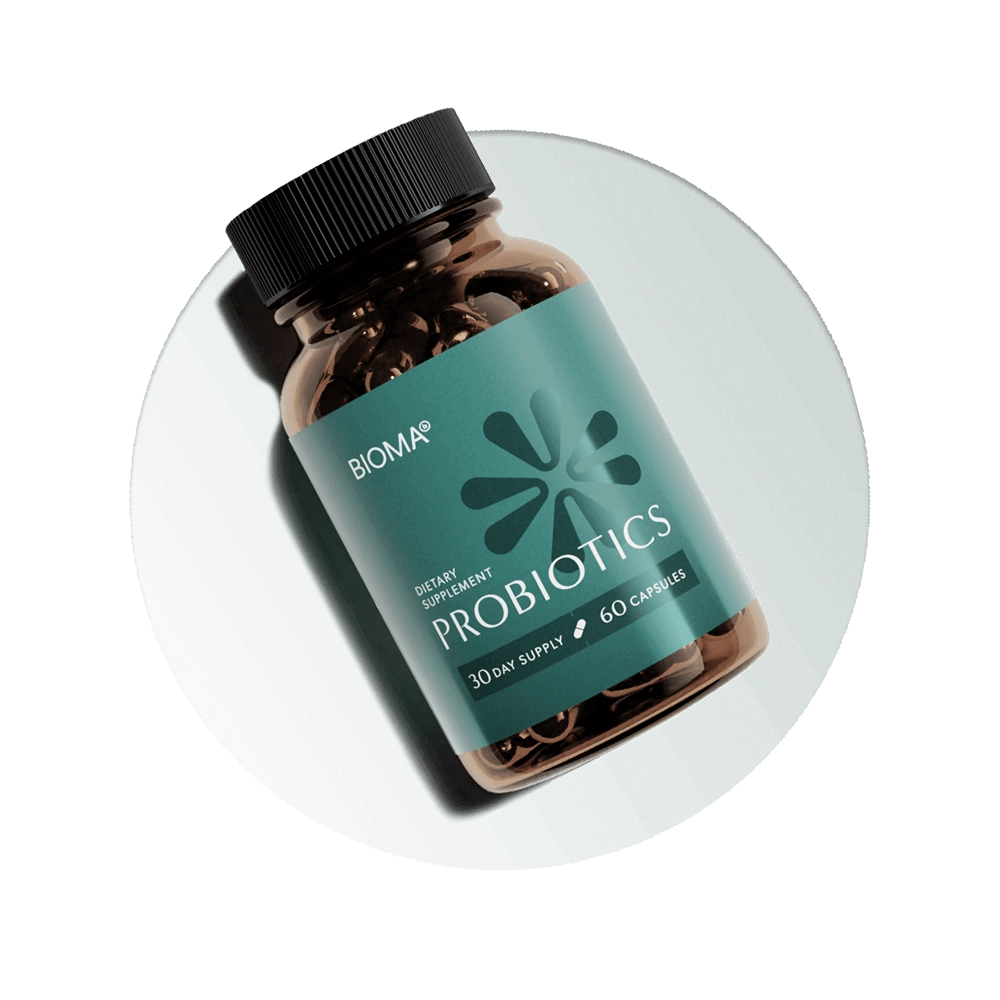
While diet is foundational, targeted probiotic supplements can help restore balance in disrupted microbiomes. Products like Bioma Probiotics are formulated to support a diverse and resilient gut ecosystem. Discover more at Bioma Probiotics.

Gut Microbiome Quiz: How Supportive Are Your Daily Habits?
Take this quick quiz to assess whether your current habits support a healthy microbiome.
Nurture Your Microbiome for Lifelong Health
Your microbiome influences far more than digestion—it interacts with your immune system, metabolism, and even your mental and emotional well‑being. Daily habits like dietary choices, stress management, sleep, and hydration shape this microbial ecosystem constantly. Emerging research shows that diet‑based interventions and probiotics can play an important role in maintaining a healthy microbiome and, by extension, overall health.



Related articles



Less gut discomfort. More freedom to enjoy life.
Take our 1-min quiz to find out your gut type and get personalized advice and probiotics to relieve constipation, bloating, and other digestive issues.


