A Week Without Ultra-Processed Food: Gut Health Results


You probably eat ultra-processed food every single day without even thinking about it. Not because you want to, but because it is everywhere. It is convenient, fast, and designed to taste good enough that you keep coming back. The question is not whether you eat it, but how much of your daily diet is actually made up of it.
So what happens if you remove it for just one week?
This is not about perfection or strict dieting. It is about observing what changes when your body is no longer constantly dealing with highly processed inputs. When you step away from these foods, even temporarily, your gut begins to respond in ways that are often surprising. The changes are not dramatic overnight, but they are noticeable if you pay attention.
What Are Ultra-Processed Foods (And Why They’re Everywhere)
Ultra-processed foods are products that go far beyond basic preparation. They are industrial formulations made from refined ingredients, additives, and artificial components that are not typically used in home cooking. This includes things like packaged snacks, sugary cereals, ready meals, flavored drinks, and many “convenience” foods.
The reason they are so common is simple. They are designed for shelf life, convenience, and taste. Food companies optimize them to be easy to consume and hard to resist. That combination makes them a default choice in busy daily life. The problem is that while they are efficient, they do not support your body in the same way whole foods do, especially when it comes to your gut.
The Hidden Impact on Your Gut
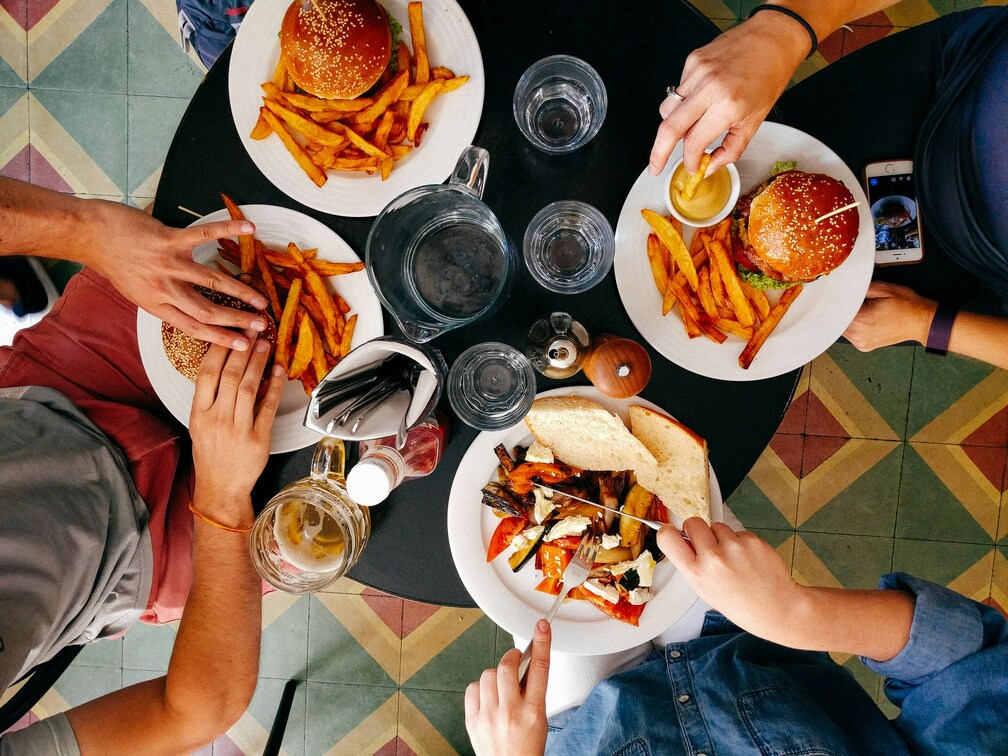
Your gut microbiome depends heavily on what you feed it. When your diet is dominated by ultra-processed foods, it lacks the diversity and nutrients that beneficial bacteria need to thrive. Over time, this can reduce microbiome diversity and shift the balance in ways that are not immediately obvious.
This is why the effects often feel subtle at first. You may not notice anything drastic, but your digestion might feel slightly off, your energy less stable, or your cravings harder to control. These are early signals that your system is adapting to a less supportive environment. When you remove ultra-processed foods, even briefly, your gut begins to respond to that change.
What Happens When You Cut Them Out for 7 Days
The first couple of days are usually the most challenging. Cravings tend to increase, especially for sugar and quick snacks. This is not just a habit. It is your body adjusting to the absence of foods it is used to receiving regularly. Many people feel a slight drop in energy at this stage, which can feel discouraging if you are not expecting it.
Around the middle of the week, things begin to shift. Hunger becomes more stable, and meals feel more satisfying even if they are simpler. By the end of the week, many people notice that their digestion feels more predictable and their energy more consistent. These changes are not extreme, but they are enough to make you aware of how much your previous diet was influencing how you felt.
What Science Says About Ultra-Processed Food
Research on ultra-processed foods continues to grow, and the findings are consistent. Studies show that diets high in ultra-processed foods are associated with increased calorie intake, weight gain, and changes in gut microbiome composition. These effects are not only linked to the amount of food consumed, but also to how that food interacts with your body internally.
One of the key insights from ultra-processed food research is that these foods can influence how your body regulates hunger and fullness. This means that the impact goes beyond simple nutrition. It affects behavior, digestion, and long-term patterns in a way that makes it harder to maintain balance. Understanding this helps explain why even a short break from these foods can feel different.
Ultra-Processed Food Swap List (Interactive Reset Guide)
Instead of focusing on restriction, a more effective approach is to replace ultra-processed foods with simpler alternatives. Below is a practical list you can use. The goal is not to change everything at once, but to start noticing what you can swap.
✨ Gut Reset Swap List
Check what you’ve already swapped 💅 small wins count
Making It Easier (Not Perfect)
Trying to eliminate ultra-processed food completely can feel overwhelming if you approach it as an all-or-nothing change. The reality is that even partial changes can make a difference. Replacing just a few items in your daily routine already shifts what your gut is being exposed to.
This is why focusing on swaps instead of restrictions works better. It keeps the process realistic and sustainable. Over time, these small changes build on each other, creating a noticeable shift in how your body feels and responds.
Supporting Your Gut During the Reset
As your diet changes, your gut is actively adapting. This is a good thing, but it can also feel slightly uncomfortable at first as your system adjusts. Supporting your gut during this phase can help make the transition smoother and more consistent.
This is where options like Bioma Probiotics can support your microbiome as it rebalances. By helping restore bacterial diversity and support digestion, they can make the shift away from ultra-processed foods feel more stable. Instead of your body reacting to change, it begins to adapt more smoothly.
It’s Not About Never Eating It Again
Removing ultra-processed food for a week is not about proving discipline. It is about awareness. It gives you a reference point for how your body feels without constant exposure to these foods. Once you experience that difference, your choices naturally begin to shift.
The goal is not to eliminate these foods forever, but to understand their impact. When you know how your body responds, you are no longer choosing blindly. Even a short reset can change how you think about food, and more importantly, how you feel in your own body.
Related articles



Less gut discomfort. More freedom to enjoy life.
Take our 1-min quiz to find out your gut type and get personalized advice and probiotics to relieve constipation, bloating, and other digestive issues.


