10 Signs Your Gut Health Is Off (And How to Fix It)


You do not need extreme symptoms to have an unhealthy gut. Subtle changes in digestion, energy, skin, or mood can all signal imbalance. Many people ask, how do I know if my gut health is bad? The answer is rarely just one symptom. It is a pattern.
Gut health is not a trend. It refers to the balance of bacteria, immune activity, digestive function, and barrier integrity in your gastrointestinal system. When that system becomes dysregulated, your body usually tells you. The key is recognizing the signs early.

Is Gut Health a Real Thing and Why Is It So Important?
Yes, gut health is very real. The digestive tract is home to trillions of microorganisms that influence digestion, inflammation, immune signaling, and even communication with the brain through the gut brain axis. When people ask is gut health important, the answer is simple. It affects far more than digestion.
A balanced microbiome supports nutrient absorption, regulates immune responses, and helps maintain the integrity of the intestinal lining. When this system is disrupted, symptoms can extend beyond bloating to fatigue, cravings, mood shifts, and skin changes. That is why understanding signs your gut health is bad matters before symptoms escalate.
What Does Bad Gut Health Look Like?
Bad gut health does not always present dramatically. It often shows up gradually. Many people normalize symptoms like daily bloating or irregular bowel movements, assuming they are just part of life. Over time, however, these small signals can reflect deeper imbalance.
If you are wondering how to tell if your gut health is bad, pay attention to persistent patterns rather than isolated incidents. Your body tends to repeat what it is struggling to regulate.

10 Signs of an Unhealthy Gut
Here are 10 signs your gut health is off:
- Chronic bloating that happens most days rather than occasionally. Persistent bloating often reflects poor digestion, microbial imbalance, or excessive fermentation in the intestines rather than simply “eating too much.”
- Constipation, diarrhea, or inconsistent bowel movements. Irregular motility suggests disrupted gut signaling, altered microbiome balance, or stress-related changes in the gut–brain axis.
- Frequent gas or abdominal discomfort. Ongoing gas and discomfort may indicate difficulty breaking down certain foods or imbalanced gut bacteria producing excess fermentation.
- Food sensitivities that seem to increase over time. When the gut barrier becomes irritated, the immune system may react more strongly to foods that were previously tolerated.
- Strong sugar cravings, especially after meals. Cravings can be influenced by blood sugar instability and shifts in gut bacteria that thrive on refined carbohydrates.
- Fatigue or heaviness after eating. Post-meal exhaustion may reflect inefficient digestion, large blood sugar swings, or inflammatory responses to certain foods.
- Brain fog or difficulty concentrating. The gut and brain communicate constantly. Inflammation or microbial imbalance can influence mental clarity and cognitive sharpness.
- Skin issues such as breakouts or dullness. Skin changes are often linked to internal inflammation and impaired detoxification pathways connected to gut function.
- Frequent colds or immune fluctuations. A large portion of immune activity is regulated in the gut, so repeated infections may signal compromised gut-associated immune balance.
- Mood swings or increased anxiety without clear cause. Because gut bacteria influence neurotransmitter production and stress signaling, imbalance can subtly affect emotional stability.
These 10 signs of unhealthy gut patterns often overlap. It is rarely just one. When multiple symptoms appear together, it may indicate microbiome imbalance, inflammation, or digestive inefficiency.
How Do I Know If My Gut Health Is Bad? (Take the Quiz)
Below is a more structured self check to help you assess your pattern.
Answer the questions below:
1. How often do you feel bloated?
2. How regular are your bowel movements?
3. Do you feel tired after meals?
4. Do you experience sugar cravings?
5. Does stress affect your digestion?
6. Do you experience brain fog?
7. Has your skin become more reactive?
8. Do you get sick more often?
9. Do you feel inflamed or puffy?
10. Do you rely on caffeine for digestion or energy?
How to Reset Your Gut Health Safely
If you are asking how do I reset my gut health, avoid extreme cleanses. Resetting your gut is about rebuilding stability, not eliminating entire food groups overnight.
Start by reducing ultra processed foods and added sugars. Increase fiber gradually through whole foods such as vegetables, legumes, oats, and seeds. Hydration supports motility and toxin clearance. Sleep and stress regulation are equally important because chronic stress directly affects gut permeability and microbial balance.
Consistency matters more than intensity. Most people see improvements within weeks when they commit to steady habits rather than quick fixes.

How Bioma Probiotics Can Support Gut Reset
When addressing signs gut health is off, microbial diversity becomes central. Probiotics can support rebalancing by introducing beneficial strains that influence digestion, immune signaling, and inflammatory tone.
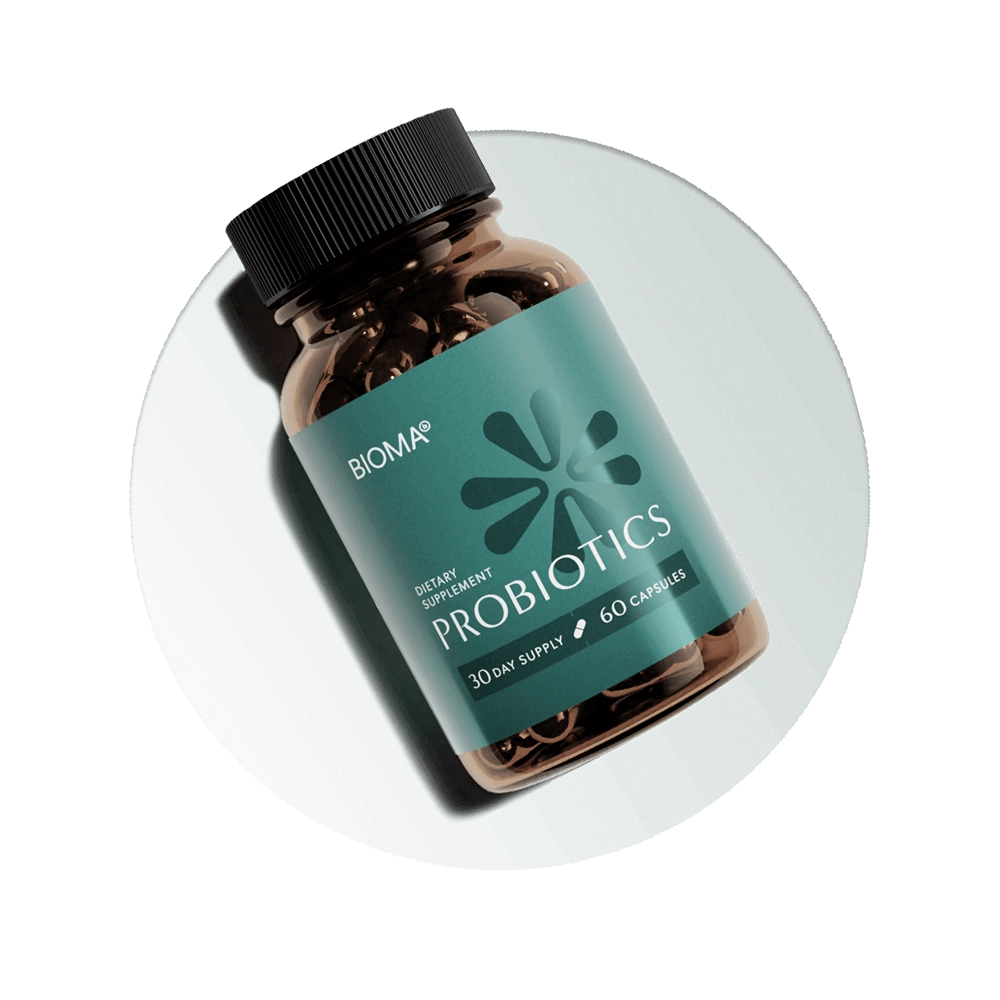
Bioma Probiotics are formulated to support microbial balance and digestive stability. By promoting beneficial bacteria growth and supporting gut barrier integrity, they can complement dietary changes during a gut reset. They are not a replacement for nutrition, but they can help create a more stable internal environment while you adjust habits. For individuals experiencing bloating, irregularity, and cravings together, structured probiotic support may make the reset process smoother and more sustainable.

Small Signals, Big Impact
If you have been wondering how to know your gut health is bad, remember that your body usually whispers before it screams. Subtle digestive discomfort, cravings, fatigue, and skin changes are not random. They are feedback.
Gut health is important because it influences nearly every system in your body. The good news is that it is responsive. Small, consistent adjustments in food quality, stress management, sleep, and microbial support can significantly shift how you feel. Pay attention to the signals. Address them early. Your gut rarely lies.
Related articles



Less gut discomfort. More freedom to enjoy life.
Take our 1-min quiz to find out your gut type and get personalized advice and probiotics to relieve constipation, bloating, and other digestive issues.


